
A VPS, or Virtual Private Server, is a virtualized server environment created within a larger physical server. It’s a form of web hosting that offers more control, privacy, and resources compared to shared hosting. Here’s how it works:
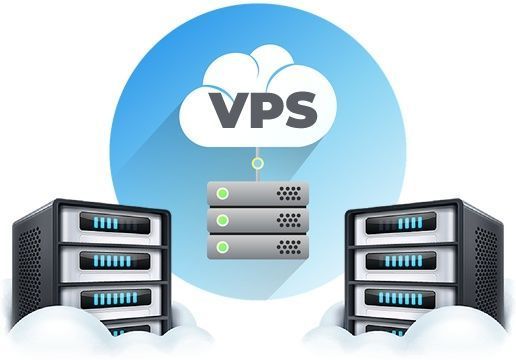
- Virtualization: A physical server is divided into multiple virtual servers using virtualization technology. Each virtual server operates independently with its own dedicated resources like CPU, RAM, storage, and operating system.
- Isolation: Unlike shared hosting where multiple websites share the same server resources, each VPS is isolated from others. This isolation prevents one website’s activities from affecting the performance or security of another website on the same physical server.
- Dedicated Resources: Each VPS has allocated resources that are guaranteed and not shared with other users. This ensures consistent performance even during traffic spikes or resource-intensive tasks.
- Root Access: With many VPS plans, users have root access or administrative privileges. This allows them to install and configure software, customize server settings, and manage security features.
- Customization: VPS hosting provides more flexibility to tailor the server environment to specific needs. Users can choose the operating system, install custom applications, and make configurations as required.
- Scalability: VPS hosting offers scalability by allowing users to easily upgrade their resources. This is particularly useful as websites grow and require more CPU, RAM, and storage.
- Cost-Effective: VPS hosting strikes a balance between the affordability of shared hosting and the control of a dedicated server. It’s a cost-effective solution for those who need more resources and control than shared hosting offers.
- Security: While VPS hosting provides a higher level of security compared to shared hosting, it’s important to note that server security largely depends on the user’s ability to manage and maintain the server environment.
- Technical Expertise: Managing a VPS requires more technical knowledge compared to shared hosting. Users should be comfortable with tasks such as server setup, software updates, security configurations, and troubleshooting.
A Virtual Private Server (VPS) is a virtualized hosting environment that offers greater control, privacy, and resources compared to shared hosting. It’s a suitable option for individuals, businesses, and developers who need more customization, performance, and control over their hosting environment without the full complexity and cost of a dedicated server.
A VPS WordPress hosting solution combines the power of a virtual private server with the flexibility and ease of use of the WordPress content management system. To fully understand this, let’s break down the key components:
- VPS (Virtual Private Server): A VPS is a virtualized server that acts as a dedicated server within a larger physical server. It provides a dedicated portion of resources such as CPU, RAM, and storage, giving you more control and stability compared to shared hosting. Unlike shared hosting where multiple websites share the same server resources, a VPS ensures that your website’s performance is not impacted by other users’ activities.
- WordPress: WordPress is one of the most popular content management systems (CMS) globally, powering a significant portion of websites on the internet. It allows users to create and manage websites and blogs easily, with a wide range of themes, plugins, and customization options available.
VPS WordPress Hosting: Combining a VPS with WordPress hosting offers several advantages:
- Performance: With a dedicated portion of server resources, your website’s performance is more consistent and responsive. This is crucial for websites with high traffic or resource-intensive applications.
- Customization: You have greater control over server configurations. This means you can install specific software, customize server settings, and optimize your server environment to suit your WordPress site’s needs.
- Security: Since your VPS is isolated from other users’ environments, security risks associated with shared hosting are reduced. You can implement stricter security measures and configurations tailored to your website.
- Scalability: VPS hosting allows for easy scalability. As your website grows, you can upgrade your resources (CPU, RAM, storage) without migrating to a different hosting solution.
- Root Access: Many VPS hosting plans provide root access, enabling advanced users to make deeper changes and modifications to the server.
- Autonomy: Unlike managed WordPress hosting, where the hosting provider takes care of technical aspects, VPS hosting requires more technical knowledge but provides greater autonomy over server management.
However, it’s worth noting that managing a VPS requires a certain level of technical expertise. You’ll be responsible for tasks like server setup, maintenance, security updates, and troubleshooting. If you’re not comfortable with these tasks, you might want to consider managed VPS hosting or specialized WordPress hosting providers that offer VPS solutions with a focus on WordPress management.
In conclusion, a VPS WordPress hosting solution offers a balance between the control and performance of a virtual private server and the user-friendly features of the WordPress CMS. It’s an excellent choice for individuals and businesses seeking better performance, customization options, and control over their WordPress websites.