
Air Ambulances: Lifesaving Wings in the Sky
When medical emergencies strike, time is of the essence, and access to rapid medical intervention can make the difference between life and death. In these critical moments, air ambulances emerge as the unsung heroes, soaring through the skies to provide urgent medical care to those in need. These specially equipped aircraft have revolutionized the field of emergency medicine by drastically reducing transportation times, particularly in areas with challenging terrain or heavy traffic congestion.
Air ambulances, also known as medical evacuation helicopters or medevac helicopters, are specialized aircraft outfitted with advanced medical equipment and staffed by highly trained medical professionals. They play a crucial role in providing swift medical assistance to individuals who require immediate attention, often in remote or inaccessible locations. This could include accident scenes, natural disaster sites, or rural areas far from well-equipped hospitals.
The key advantages of air ambulances are their speed and ability to overcome geographical barriers. In critical situations like heart attacks, strokes, severe injuries, or complicated medical conditions, where time is of the essence, air ambulances can transport patients to advanced medical facilities in a fraction of the time it would take by ground transportation. This rapid response not only increases the chances of survival but also ensures that patients receive appropriate medical care at the earliest possible stage of their condition.
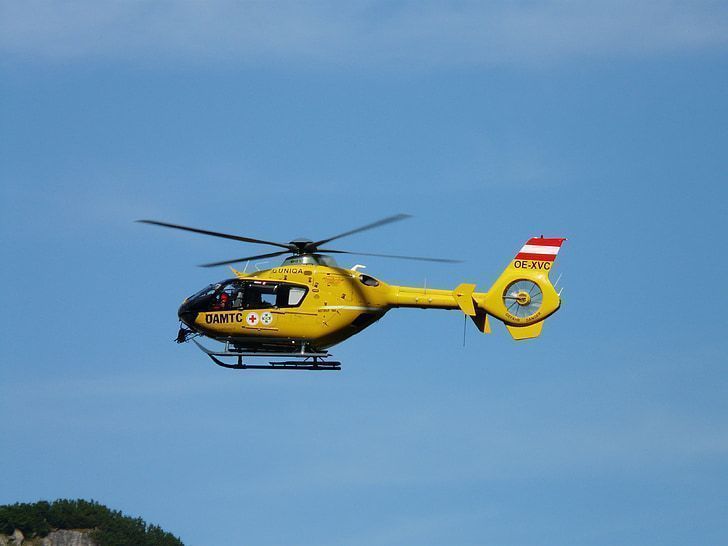
Air ambulances are equipped with state-of-the-art medical equipment, similar to what one might find in a hospital’s intensive care unit. These include cardiac monitors, ventilators, defibrillators, and even devices for performing certain medical procedures. Moreover, the medical teams on board are often comprised of skilled paramedics, nurses, and sometimes even doctors, capable of providing critical care during the flight itself.
However, the operation of air ambulances is not without challenges. The weather can greatly impact their ability to safely transport patients, and flying at high altitudes can pose additional medical risks for patients, such as changes in air pressure and oxygen levels. Additionally, the cost of operating and maintaining air ambulance services can be high, which can raise concerns about accessibility and affordability, particularly in healthcare systems where such services are not fully covered by insurance.
In recent years, technology has played a significant role in enhancing the capabilities of air ambulances. Advanced navigation systems, real-time communication tools, and remote medical consultation capabilities have all contributed to improving the quality of care provided during critical flights.
In conclusion, air ambulances are a testament to the remarkable intersection of aviation and medicine. These flying medical units exemplify the relentless pursuit of saving lives and bridging geographical gaps in healthcare. While challenges remain, the continued advancement of technology and the dedication of skilled medical professionals ensure that air ambulances will continue to be an essential component of modern emergency medical services, providing hope and healing to those who need it most.
“Who needs air ambulances when we have teleportation technology? #BeamMeUpScotty”
Seriously? Mini parachutes for air ambulances? That’s not only impractical but also dangerous. We need to focus on improving safety measures and emergency protocols instead of suggesting outrageous ideas. Let’s be realistic here.